


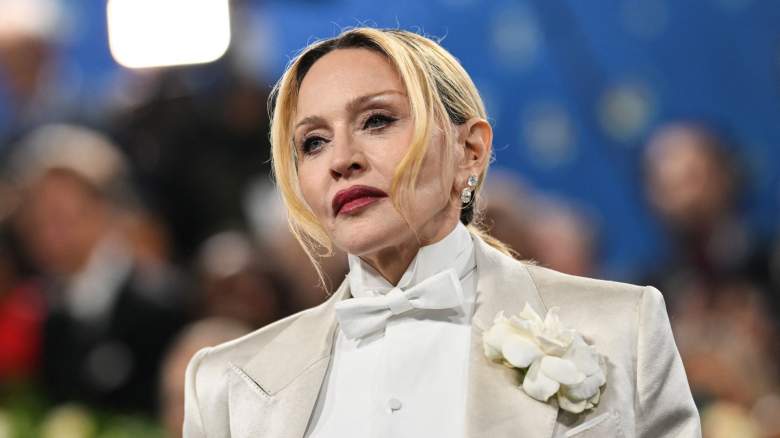
Controversy arose after an Australian DJ released a cover of Madonna’s famous song, “Like A Prayer.” When the AI-generated song topped the local music charts, the Australian Recording Industry Association (ARIA) on Tuesday stated that wholly AI-generated tracks are no longer eligible for its popular music charts. However, it was stated that recordings only using generative AI in a supporting role would remain eligible.
In a statement, ARIA said that a recording developed using generative AI will only be eligible if it is “substantially human made” and raises no concerns around streaming or chart manipulation.
As AI-generated music grows in popularity, consumers increasingly find it hard to distinguish it from human-composed songs. Due to this, major global record labels are seeking new licensing arrangements to protect their vast music catalogues.
“The ARIA charts will always remain a transparent measurement of the music Australia consumes, but a chart that rewards unlicensed AI output would undercut the very basis of the recorded music we exist to represent,” ARIA CEO Annabelle Herd said.
Every Friday, Apple Music and Spotify release the most popular songs and albums in Australia on the ARIA Charts.
DJ’s AI-Generated Madonna Cover Most-Played Song On Australian Radio
According to some producers, Queenland-based DJ Josh Fawaz’s cover of Madonna’s 1989 hit “Like A Prayer” was not initially disclosed as generative AI produced. It went on to become the most-played song on Australian radio. It peaked at number two on the Australia Record Industry Association’s top 20 Australian singles chart in May, remaining in fourth place on Tuesday.

Following this, music producer Mitch Thomas, performing under the name of “Needs No Sleep,” called Fawaz “the biggest issue in music right now.” Fawaz responded to Thomas’s criticism on Instagram in June, saying that while he used AI “as a tool, it’s not that deep.” The DJ added that he had been releasing music long before the introduction of AI and that his focus is to provide his listeners with “good music.”
Protecting Creative Music Work From AI
Producers, songwriters and musicians have been urging governments to take action to protect their creative work, while criticizing the use of AI tools such as Suno to produce tracks with minimal human input and without the proper credit for artists.
Reuters quotes singer-songwriter and guitarist Mark Seymour of the Australian rock band Hunters & Collectors as saying that AI companies are using creative works with no permission or payment. He said that the value of music artists’ creative investment should “never be threatened.”
Meanwhile, the Australian rules are in step with new principles released in July by the London-based International Federation of the Phonographic Industry that represents the recording industry worldwide.

Alexis Weaver, music composer and lecturer at Sydney Conservatorium of Music, said the debate around AI in music was “exceptionally fraught and very emotional for a lot of musicians and so everyone will have a different opinion.”
Weaver applauded ARIA’s move as a “wonderful step forward” sending a message ARIA wanted to “prioritize and value human creativity.”
“It can be quite hard to avoid AI tools in the current landscape,” he said. “There is a way to use it while you’re still steering the ship and making the main creative choices.”
In July, Prime Minister Anthony Albanese promised that the government will take steps to ensure Australian creative artists retain ownership of their work.
Comments
Australia Bans AI-Generated Tracks From Music Charts Over Madonna Cover